Understanding the psychology behind gambling behavior and its impact on decision-making
The Allure of Gambling
Gambling has an undeniable allure, captivating individuals across various demographics. This fascination often stems from the thrill of risk-taking and the excitement of potential reward. The psychological mechanisms at play include the activation of the brain’s reward system, which releases dopamine during moments of risk and uncertainty. This neurochemical response can lead to a sense of euphoria, reinforcing the behavior and encouraging further participation. Many find that participating in online poker real money games heightens this thrill and keeps them coming back for more.

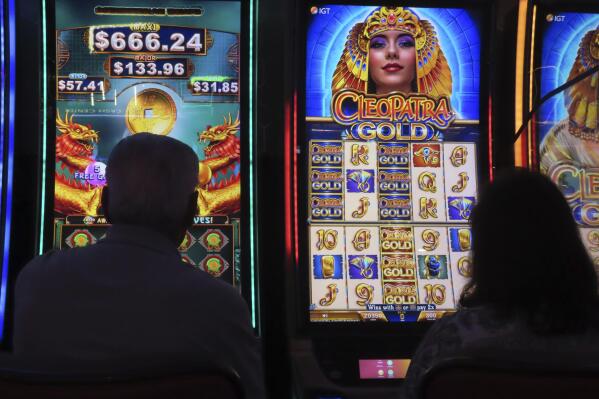
Moreover, the environment of casinos and gambling establishments is designed to heighten these feelings. The bright lights, engaging sounds, and vibrant atmosphere create a sensory experience that enhances the emotional stakes. For many, this environment becomes a space where everyday worries fade, and the chance of winning overrides rational decision-making.
Cognitive Biases in Gambling
Cognitive biases significantly shape how gamblers perceive risks and make decisions. One common bias is the “gambler’s fallacy,” where individuals believe that past outcomes affect future chances. For example, after a series of losses, a person may think they are “due” for a win, leading to increased betting. This skewed thinking can cloud judgment and encourage poor decision-making.
Another prevalent cognitive bias is the “illusion of control,” where gamblers believe they can influence the outcome of games that are purely based on chance. This false sense of control can drive individuals to take greater risks, as they may overestimate their ability to predict or manage outcomes. Understanding these biases is crucial for both gamblers and those working in responsible gaming initiatives.
The Role of Emotions in Gambling Decisions
Emotional states heavily influence gambling behavior and decision-making. Feelings of excitement, anxiety, or desperation can lead to impulsive decisions that might not align with an individual’s long-term goals or financial stability. For instance, a player experiencing a winning streak may feel invincible, prompting them to bet larger amounts than usual.
Conversely, feelings of loss can trigger a desire to recoup losses, often leading to chasing losses. This emotional rollercoaster can cloud judgment and result in significant financial consequences. Recognizing the emotional triggers that influence gambling decisions is essential for promoting healthier gambling practices.
Social Influences and Gambling Culture
The social context in which gambling occurs plays a significant role in shaping behavior. Peer influence, societal norms, and cultural attitudes towards gambling can all affect an individual’s likelihood of participating in gambling activities. In some cultures, gambling is celebrated and viewed as an acceptable pastime, while in others, it may carry a stigma that affects individuals’ choices.
Additionally, the rise of online gambling platforms has transformed social interactions around betting. The ease of access and the ability to engage in gambling activities from the comfort of one’s home have blurred the lines of social accountability, potentially increasing gambling-related issues. Understanding these social dynamics is crucial for developing effective strategies to address gambling behaviors.
Our Commitment to Responsible Gambling
At our website, we are dedicated to promoting responsible gambling and understanding the psychology behind gambling behavior. We provide resources and information aimed at raising awareness about the potential risks associated with gambling and the importance of making informed decisions. Our goal is to create a safe space for individuals to explore their relationship with gambling and its psychological impacts.
By offering insights into cognitive biases, emotional influences, and social factors, we aim to empower users to approach gambling with a healthier mindset. Whether you are a casual player or someone seeking help, our platform serves as a valuable resource for fostering responsible gambling practices and enhancing decision-making skills.